
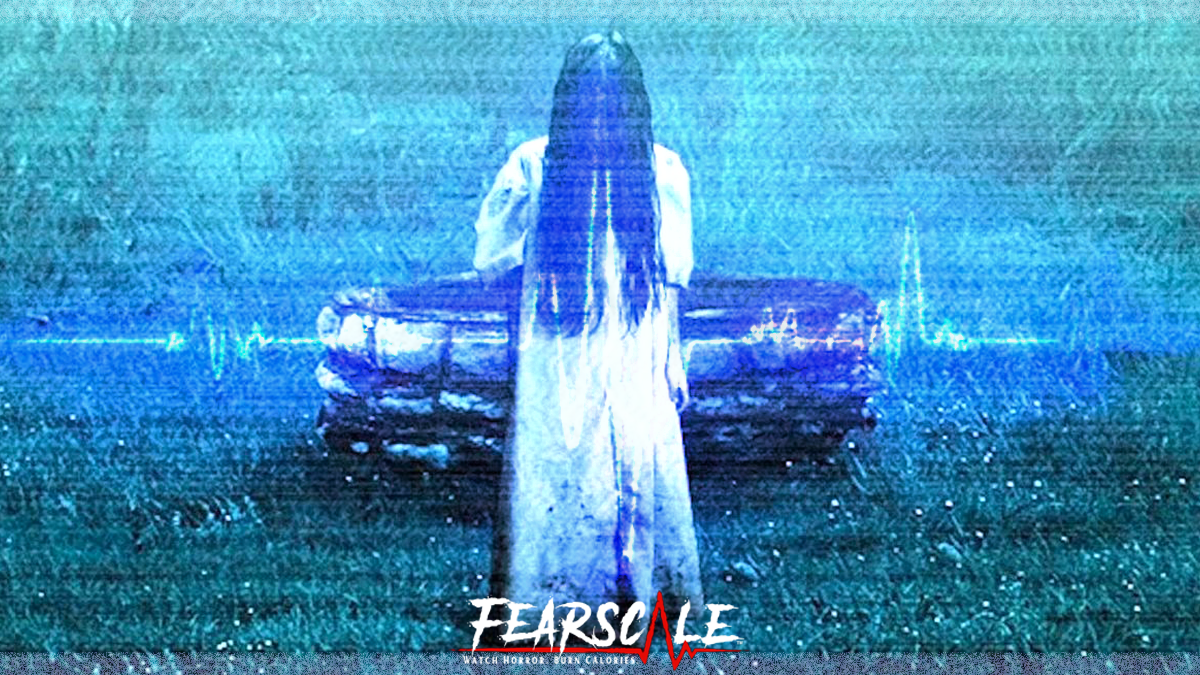
For horror fans, fear isn’t always measured the same way. Some movies send your heart rate skyrocketing while you watch, delivering pure adrenaline and panic in real time. Others creep into your mind quietly, haunting you long after the credits roll. At FearScale, both types of terror matter, but they affect your FearScale score in very different ways.
A jump-scare-filled horror movie may produce explosive heart rate spikes during viewing, making it appear terrifying on a live FearScale chart. But psychological horror films can create a much lower “in-the-moment” score while still leaving viewers disturbed for days or even weeks afterward.
So which type of horror is scarier?
The Science Behind “In-the-Moment” Fear
“In-the-moment” fear is immediate. It’s your body reacting to danger signals right now.
This type of fear causes:
*Rapid heart rate increases
* Adrenaline surges
* Sweaty palms
* Muscle tension
* Sudden fight-or-flight responses
These reactions are exactly what FearScale tracks best. When a horror movie uses jump scares, intense sound design, chase scenes, or relentless pacing, viewers’ heart rates often climb dramatically.
Movies designed around immediate terror tend to produce:
* Higher average BPM spikes
* Frequent heart rate fluctuations
* Bigger FearScale peaks
* More visually dramatic FearScale graphs
These films look terrifying in real-time biometric data.
The Horror Movies That Dominate a FearScale in Real Time
Sinister

Often considered one of the most effective heart-rate horror films ever made, Sinister is a masterclass in sustained dread combined with shocking imagery. The eerie home videos, disturbing soundtrack, and constant tension keep viewers’ heart rates elevated almost the entire runtime.
Why it scores high on a FearScale:
* Continuous tension
* Sudden visual shocks
* Aggressive sound cues
* Relentless pacing
Watching Sinister feels like your nervous system never gets a break. Check out the Sinister FearScale Here
The Conjuring

James Wan’s supernatural horror style is engineered for physical reactions. The film builds suspense slowly before unleashing intense jump scares that trigger massive heart rate spikes.
FearScale effects:
* Sharp BPM surges
* Frequent adrenaline bursts
* Repeated anticipation-and-release cycles
Check out The Conjuring FearScale Here!
Movies like The Conjuring create incredibly dramatic FearScale charts because viewers are reacting physically every few minutes.
Smile

Smile combines psychological tension with sudden terrifying imagery. While some scenes are quiet, the film repeatedly shocks viewers with disturbing visuals and unpredictable scares.
On FearScale:
* Moderate baseline anxiety
* Explosive peaks during scare sequences
* Strong cumulative stress response
This creates a jagged, volatile heart-rate pattern that looks intense on a FearScale reading. Check out the Smile FearScale Here!
The Other Fear: Horror That Follows You Home
Then there’s the second category of horror, the movies that don’t necessarily destroy your heart rate during viewing, but invade your thoughts afterward.
These films often:
* Build existential dread
* Explore realistic trauma
* Create emotional discomfort
* Leave disturbing ideas unresolved
* Trigger paranoia after viewing
The problem is that a FearScale may not fully capture their long-term psychological impact in a simple live BPM chart. A viewer may sit relatively calm during the movie, only to find themselves:
* Unable to sleep later
* Thinking about scenes for weeks
* Feeling unsettled in silence
* Becoming anxious in everyday situations
This is delayed horror.
Horror Movies That Linger Long After Watching
Hereditary

Hereditary doesn’t rely heavily on constant jump scares. Instead, it creates emotional devastation and creeping dread. Many viewers report that the film became scarier after they watched it.
Why?
* The family trauma feels painfully real
* Hidden details reveal themselves later
* The ending reframes the entire story
* The imagery sticks in your subconscious
On a FearScale, Hereditary may show fewer explosive heart-rate peaks than movies like The Conjuring, but psychologically it can linger far longer.
The Blair Witch Project

When The Blair Witch Project released, many viewers left the theater genuinely unsettled. The movie’s realism and ambiguity made audiences continue imagining what happened long after it ended.
FearScale impact:
* Lower immediate spikes
* Sustained anxiety throughout
* Massive post-viewing psychological effect
The terror comes from what you don’t see.
It Follows

This film creates one of horror’s most effective lingering concepts: something slowly walking toward you forever.
During viewing, heart rates may stay relatively stable because the film is slow and atmospheric. But afterward, ordinary people walking in public suddenly feel threatening.
That’s delayed psychological fear, and it’s incredibly powerful.
Why a FearScale Can Reveal Different Types of Horror
FearScale isn’t just about measuring which movie has the biggest jump scares. It reveals how fear works.
Some films produce:
* Explosive physical panic
* Immediate terror responses
* High BPM spikes
Others create:
* Lingering dread
* Emotional exhaustion
* Post-movie paranoia
A movie with a lower live FearScale score can still become unforgettable because psychological horror often attacks the mind instead of the nervous system.
The Perfect Horror Movie Does Both
The rarest horror films combine immediate fear with lasting psychological damage.
The Ring

The Ring delivers eerie tension during the movie while also leaving viewers terrified of televisions, static screens, and phone calls afterward.
It creates:
* Strong real-time anxiety
* Lingering visual trauma
* Post-viewing paranoia
That combination is what makes a horror movie legendary.
Our Final Results
The best horror movies don’t all scare us the same way.
Some dominate a FearScale because they trigger instant biological fear responses. Others quietly infect the imagination and grow scarier over time. One attacks your heart rate. The other attacks your mind.
And sometimes the most dangerous horror movies are the ones that barely raise your pulse at all, until you’re lying awake at 3 a.m., still thinking about them weeks later.

Comments are closed