
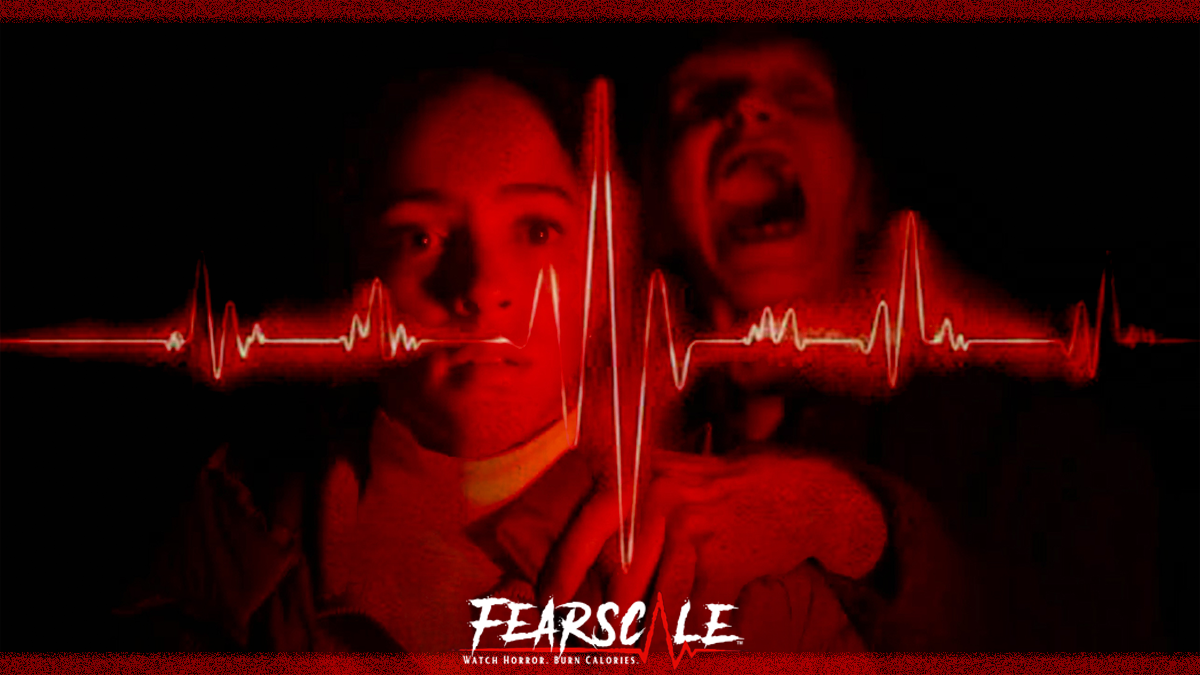
Passenger (2026) pulled us in with its creepy trailer. On the surface, it looked like another low-budget supernatural thriller, but the tension hinted at plenty of heart-racing potential.
For this FearScale test, our subject, who suffers from hodophobia, the fear of travel, decided it was much safer to stay home and watch a haunted hitchhiking ghost terrorize someone else’s road trip. Sometimes the scariest ride is the one you never leave your couch for.
If you’d like to be a part of the FearScale experiment, sign up to Become a Test Subject!
SYNOPSIS:
After a young couple witnesses a gruesome highway accident, they soon realize they did not leave the crash scene alone, as a demonic presence called the Passenger won’t stop until it claims them both.
FearScale™ Methodology
FearScale measures how frightening a horror film truly is by monitoring real-time heart rate data from human test subjects during controlled viewing sessions. Each subject’s baseline resting heart rate is recorded prior to the film, allowing us to identify meaningful spikes caused by tension, dread, shock, or sustained unease.
Heart rate increases are tracked throughout the runtime and correlated with specific scenes to determine when fear responses occur, and how intense they are. This data-driven approach helps separate genuine physiological reactions from subjective opinions or post-viewing impressions.
Because fear is personal, FearScale does not claim universal results. Instead, each session offers an objective snapshot of how a film impacts the human body under consistent conditions, providing a unique, measurable lens on horror.
Where We Monitored: Home Viewing
Test Subject: Amanda
Age: 39
Gender: Female
Fears: Hodophobia or the fear of travel
Resting Baseline HR: 61-65bpm
Walking HR: 80-85bpm

FEARSCALE ANALYSIS:
Within the film’s first five minutes, our test subject had already pulled the blanket to her chin. A tense opening sequence immediately shifted her heart rate from a resting 63 BPM to 83 BPM, thanks to several well-timed jump scares. One scare was so effective it literally knocked her glasses off her face.
As the travelers are introduced and the road trip begins, the film briefly eases off the accelerator to establish its characters. The slower pacing gives our subject a chance to catch her breath before another crash sends her pulse climbing once again. While some of these scares rely on classic “loud noise” tactics, they consistently keep the heart rate elevated.
Once the supernatural presence reveals itself, nearly every roadside stop, dark hallway, and quiet moment becomes loaded with tension. Even ordinary conversations feel like they’re heading toward disaster.
Around the 35-minute mark, a slow-burning parking lot sequence creates one of the film’s most suspenseful moments. The camera lingers just long enough to make every shadow feel dangerous. Our subject was visibly cowering beneath the blanket before the scene finally delivers a wonderfully creepy payoff.
At approximately 1:05, something as simple as changing a tire becomes an anxiety-filled nightmare. The sequence expertly combines mounting tension, a sharp jump scare, and a burst of surprisingly graphic gore. That triple combination pushed our subject to her peak heart rate of 98 BPM, making it the most intense moment of the film.
There isn’t much depth to the story itself, but Passenger understands exactly what it’s trying to do. It rarely lets viewers relax long enough to fully lower their guard, making the ride consistently stressful, even if the destination isn’t particularly memorable.
FearScale Results
• Resting Heart Rate: 63 BPM
• Peak Heart Rate: 98 BPM
• Average Heart Rate: 77.12 BPM
• Calories Burned: 240
Does Passenger Have Jump Scares?
Absolutely.
Jump scares are the engine that keeps Passenger moving. On their own, many are effective, but the biggest spikes occur when the film layers slow-building suspense, sudden scares, and graphic gore into the same scene. Those moments consistently sent our subject’s heart rate soaring toward the upper 90s.
If you’re someone who enjoys being startled every few minutes, buckle up.

Passenger Trigger Warnings
Viewers should be aware of the following themes:
• Graphic gore
• Supernatural themes
• Intense jump scares
• Suspenseful stalking sequences
• Vehicle crashes
• Claustrophobic situations
Best Viewing Environment for Passenger:
Passenger is the perfect movie for a backyard campout, a cabin in the woods, or a late-night sleepover with friends. The simple story actually works in its favor because you won’t need to concentrate on complicated plot twists. Instead, you can spend your time laughing, screaming, and waiting for the next scare to throw everyone out of their seats.
Bonus points if no one volunteers to drive home afterward.
Fear Calorie Burn Comparison:
Our FearScale test subject burned approximately 240 calories during the screening.
That’s enough to burn off roughly 2 ounces of a cheese wheel. Not bad for spending ninety minutes as a nervous passenger instead of the driver.
FEARSCALE CONCLUSION
Passenger is light on story but heavy on jump scares. If you’re looking for layered characters or a deep supernatural mystery, you may want to take a different route. However, if your favorite horror movies constantly keep you flinching, this one has enough sudden jolts to make the trip worthwhile.
This earns Passenger an interesting place in the FearScale archives, a horror movie that may not receive glowing critical reviews, yet still manages to send heart rates climbing.
Keep your seatbelt fastened. Passenger isn’t the smoothest ride in horror, but it definitely has enough bumps to make your heart skip a beat.
FEARSCALE BUMPER STICKER:
If this van’s a rockin’… we won’t come knockin’.
More from the Director
-
Scary Stories to Tell in the Dark: (Heart Rate Breakdown)
-
The Autopsy of Jane Doe: (Watch Trailer)
How many Fear Calories did you burn watching Passenger? Let us know in the comments below or on Instagram, and Facebook


No responses yet